
INDOOR AIR QUALITY AND HEALTH
Our colleagues have already placed 17 detectors for measuring indoor air quality. The CR-39 detectors were placed inside the selected homes of villagers, and will passively measure the concentration of radon. The measurements will last between 1.5 and 3 months, after which our specialists will pick up the detectors and analyse them in a specialized laboratory within the Faculty of Environmental Science and Engineering, Babeș-Bolyai University of Cluj-Napoca.
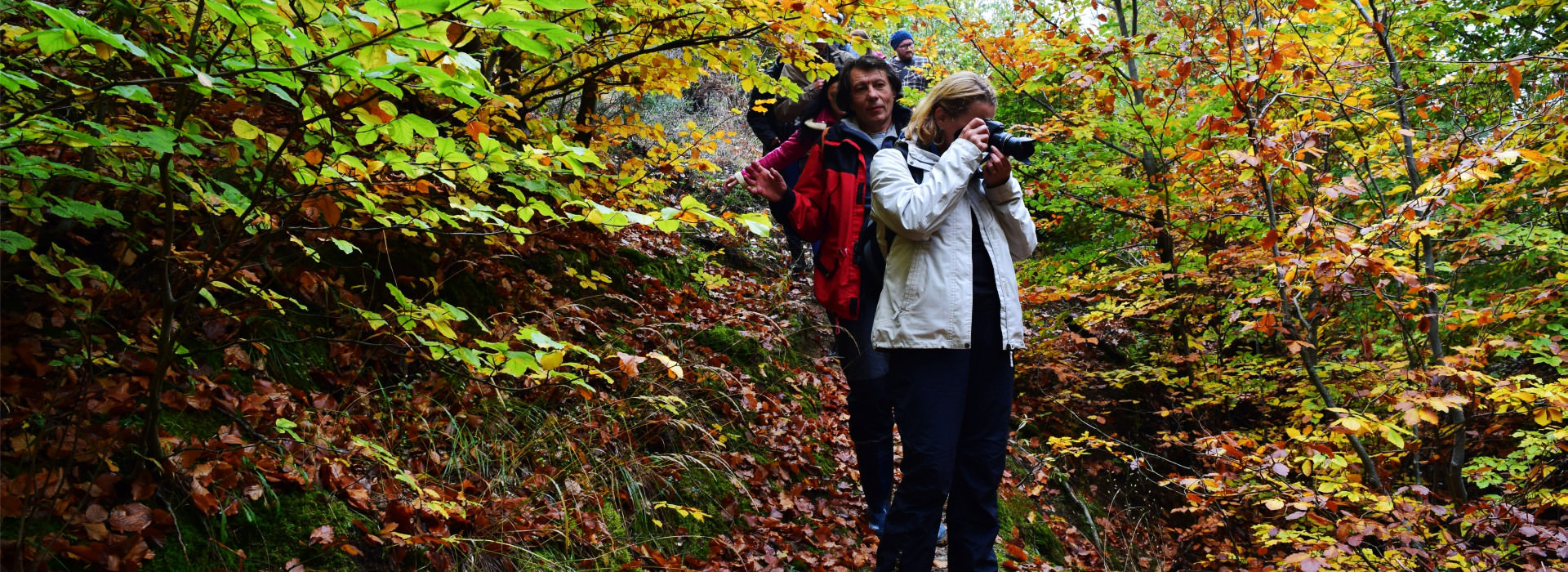
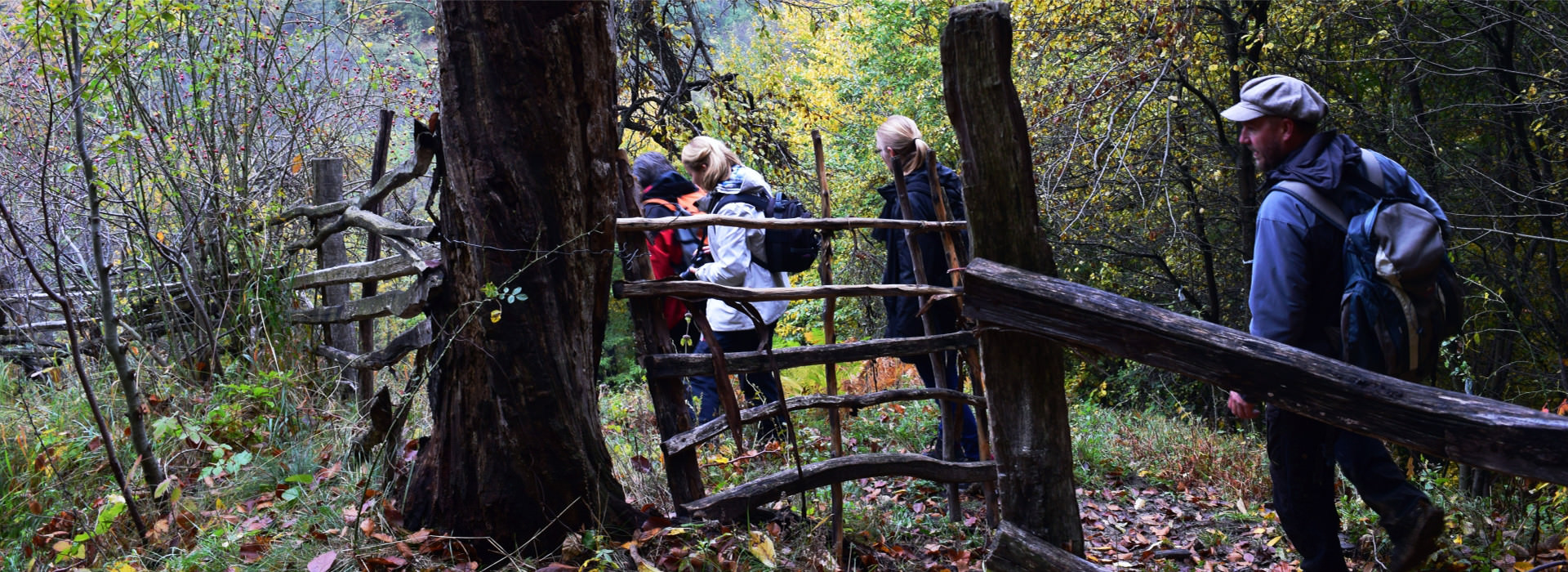
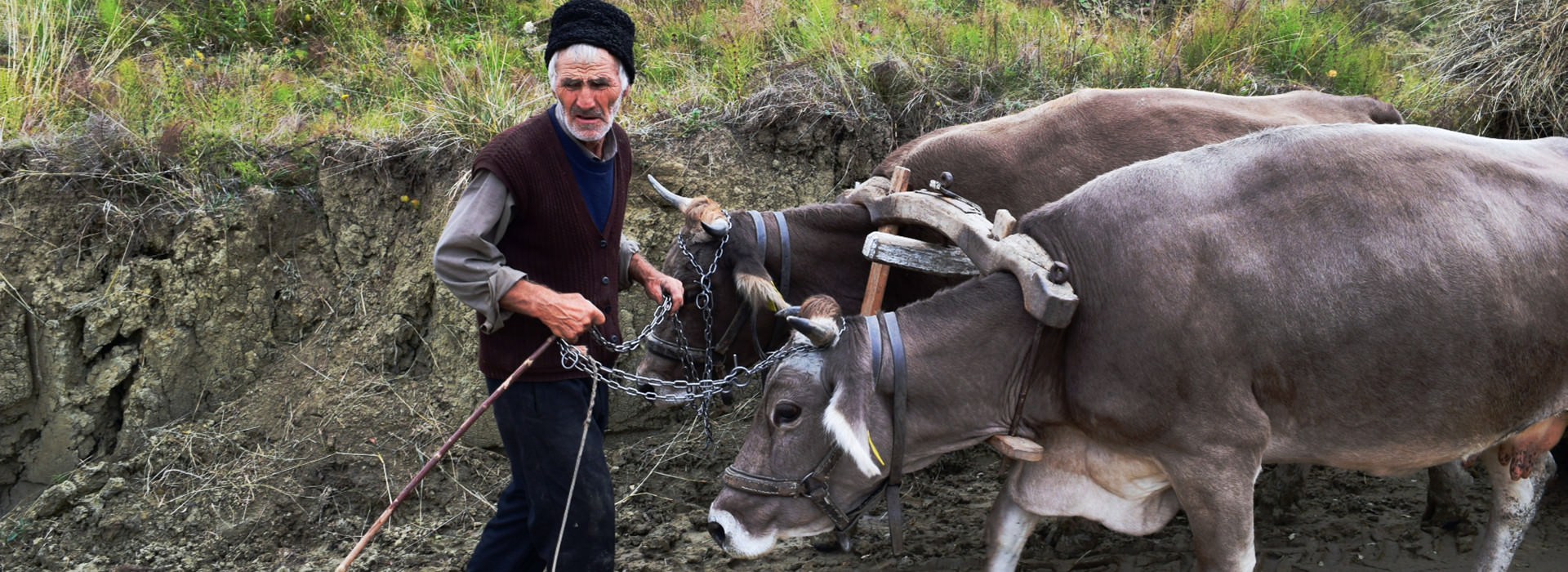
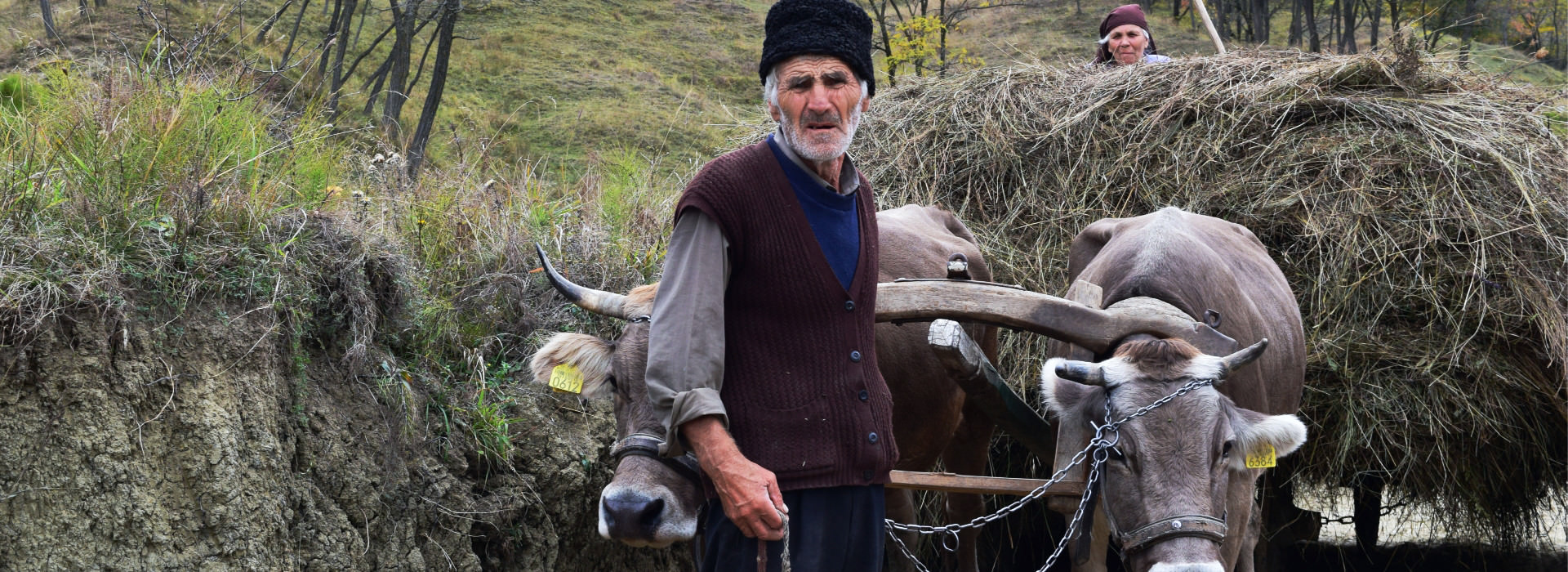
There was a good and positive dialogue between us and the people of Buzau Land. They were pleased to find that somebody would want to monitor the air quality in their homes. Everyone cooperated well with our team, and some were curious about how the detectors work.
— Insight from the Babeș-Bolyai University team, comprised of Mircea Moldovan, Carmen Roba and Bety Burghele)
Radon is a naturally occurring gas emanated by certain rocks and soil. It is widespread throughout the environment and inoffensive in open air conditions. On the other hand, in some regions radon might accumulate indoor in large quantities, either from the building materials, or from cracks in the house floor. The issue with radon is that in large quantities it is known to induce lung cancer (Cosma et al., 2009; Sainz et al., 2009). One of our aims through the GeoSust project, is to map the occurrence of radon in villages, in order to know if there are areas with high concentrations, which could have negative impact on inhabitants’ health. We will also test how radon accumulates in traditional houses (build out of wood, rock and clay), in contrast to how it accumulates in houses build with modern materials.
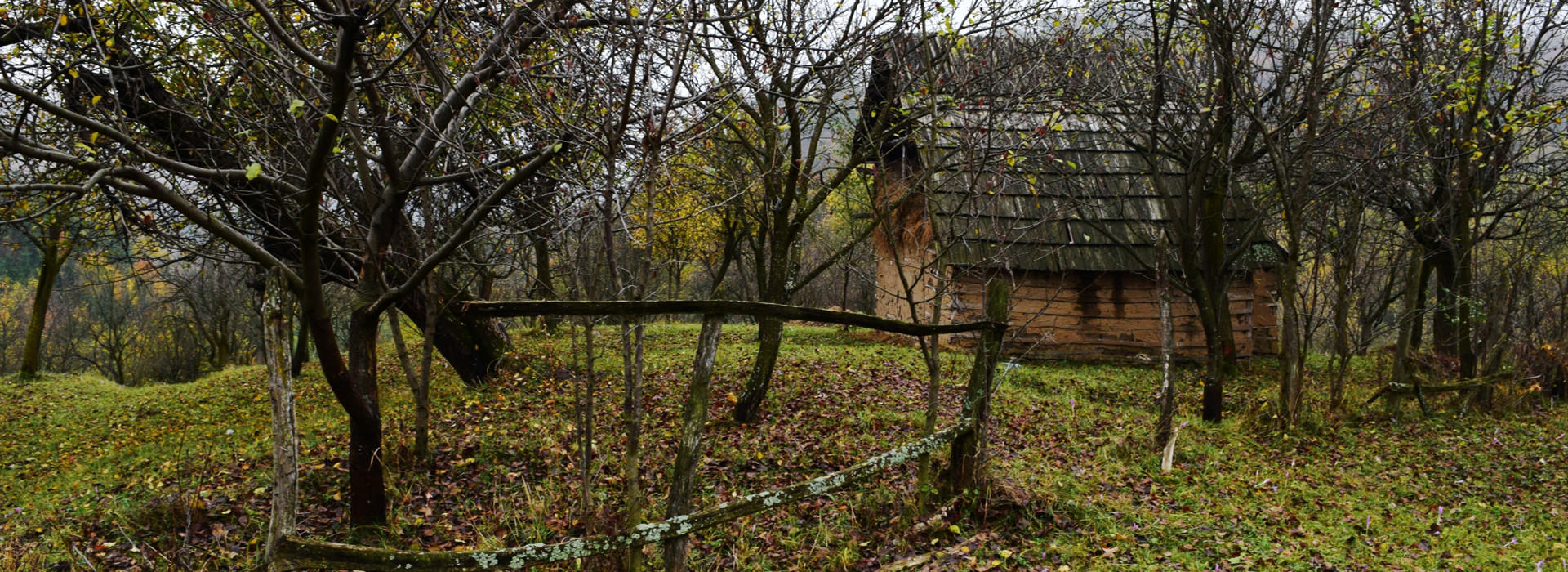
The issue with traditional houses is the presence of clay in their walls. Depending on its chemical composition, clay might be a source of thoron emanation, which is a short-lived isotope of radon. However, traditional houses allow for a good airflow from within and outside the building, mostly through the wooded-framed windows. As long as radon is moving, it doesn’t pose any health problems. On the other hand, the materials used in building modern houses won’t generate radon, but they impede airflow. They might stop radon from getting in, but they will also stop it from getting out of the house. A poorly ventilated groundfloor or underground room will potentially concentrate larger amounts of this gas. With this study, we hope to find out if either traditional or modern materials are best to be used in order to minimize the health risk posed by this gas. Once we have an answer, we can combine this information with the map of radon concentration in Buzau Land, and we will be able to recommend building traditional houses in certain areas, and modern material houses in others.
— Razvan-Gabriel Popa, Project Manager